Industry insights — 23 April 2026 — 6 min read
Security Guarding Needs in 2026
The Future of Security Guarding is Here – Is Your Property Ready?
By Smart Watch Security
The Future of Security Guarding is Here – Is Your Property Ready?
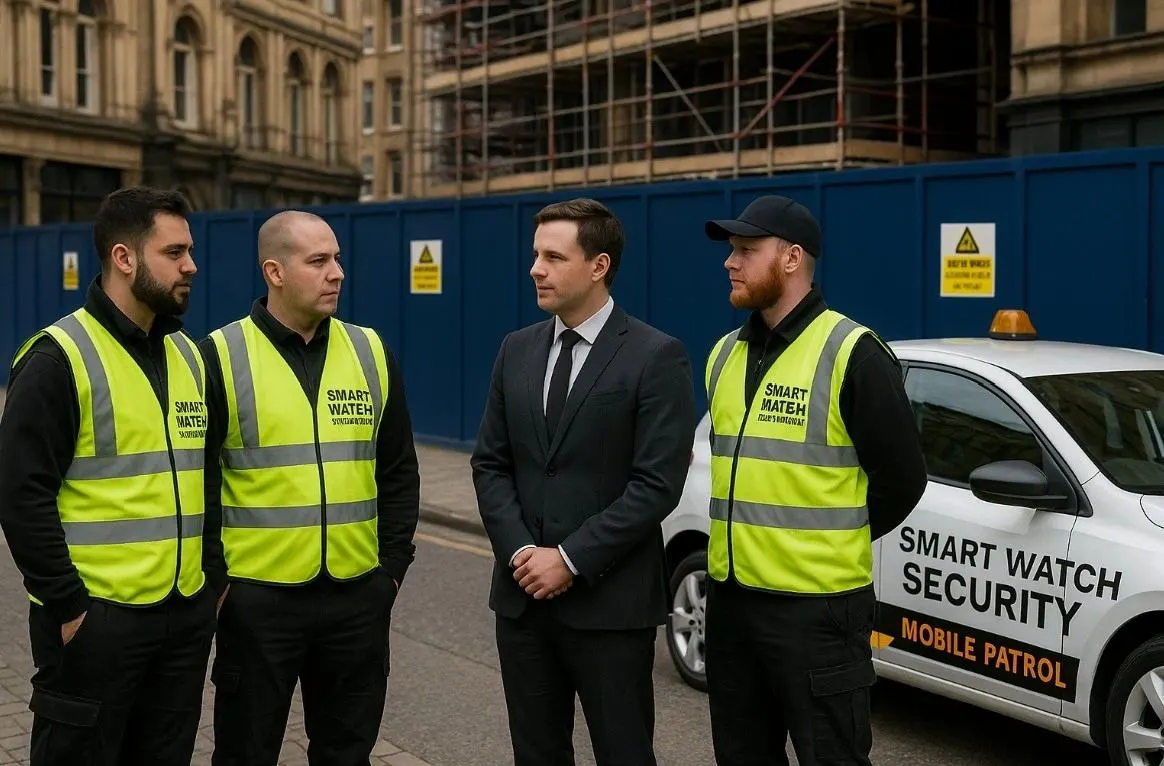
As we approach 2026, the security landscape is undergoing a radical transformation driven by urbanisation, evolving threats, and smarter technologies. No longer just about static patrols, modern security guarding now demands a dynamic, proactive approach that integrates human intuition with real-time threat assessment. Cities like Leeds are seeing increased demand for security workforce solutions that go beyond traditional models, requiring personnel who are not only trained in conflict resolution and emergency response but also adept at navigating complex urban environments.
This shift presents both challenges and opportunities. Rising population densities, mixed-use developments, and shifting crime patterns mean that one-size-fits-all security strategies no longer work. Property managers, business owners, and residential communities must now prioritise adaptable, intelligence-led guarding that responds to localised risks. Key developments shaping this evolution include:
- Demand for specialised training in crisis de-escalation, fire safety protocols, and anti-social behaviour management
- Greater emphasis on visible, mobile patrols to enhance deterrence in high-traffic areas
- Integration of guards with digital systems like CCTV and access control for faster incident verification
- Location-specific protocols that address known risk zones in urban centres
Understanding these changes is essential for anyone responsible for site safety. The right strategy doesn’t just react to threats—it anticipates them.
How Smart Technology Is Revolutionizing Security Guarding in 2026
The security landscape in 2026 is being reshaped by rapid technological innovation, with AI integration and smart surveillance leading the transformation. Today’s security strategies no longer rely solely on human presence—instead, they combine manned guarding with intelligent systems to create layered, responsive protection frameworks, especially in high-activity urban areas like Leeds.
Artificial Intelligence is now a cornerstone of threat detection, enabling security teams to identify suspicious behavior through real-time video analytics. AI-powered systems can flag unauthorized access, loitering, or unusual movement patterns and alert on-site personnel for immediate follow-up. This synergy between human judgment and machine efficiency enhances response accuracy while reducing false alarms.
Smart surveillance networks—featuring high-definition IP cameras, facial recognition, and motion-sensing technology—are now standard in both residential and commercial settings. These tools provide 24/7 monitoring capabilities and integrate seamlessly with access control and alarm systems.
Practical tips for leveraging these advancements include:
- Regular system audits to ensure camera coverage aligns with property vulnerabilities.
- Staff training on interpreting alerts from AI-driven platforms.
- Network security hardening to protect data from cyber threats.
By adopting these technologies, security operations become more proactive, adaptive, and geographically responsive—ensuring smarter, faster decisions where they matter most.
How Evolving Urban Threats Are Shaping Guarding Needs in 2026
As urban and commercial environments grow more complex, security guarding demands are shifting dramatically. The risk landscape in cities like Leeds is no longer limited to break-ins or vandalism—today’s threats include cyber-physical breaches, unauthorized access during off-hours, and incidents tied to increased foot traffic in mixed-use developments. These evolving challenges are driving a surge in demand for advanced guarding solutions that blend human expertise with intelligent deployment strategies.
Security workforce planning now requires a proactive, adaptive approach. Consider these key shifts:
- Dynamic Risk Assessment: Ongoing evaluation of local crime trends and site-specific vulnerabilities ensures guarding strategies remain effective.
- Technology Integration: Guards are increasingly working alongside smart surveillance and access control systems, serving as the critical response layer when alerts are triggered.
- Strategic Presence Mapping: Deploying personnel based on real-time risk zones—such as delivery bays, parking areas, or retail concourses—enhances deterrence and response speed.
- Local Knowledge Advantage: Guards familiar with urban patterns in Leeds can identify suspicious behavior faster, improving situational awareness.
For property managers and business operators, aligning security staffing with these emerging risk factors isn’t optional—it’s essential. The future of guarding lies in flexibility, intelligence, and localized response, ensuring both people and assets remain protected in fast-changing cityscapes.
Top 5 Emerging Trends in Security Guarding for 2026
As security demands evolve in urban centers like Leeds, the integration of manned guarding and smart technology is reshaping protection strategies. Here are the top five trends set to define security guarding needs in 2026:
- Hybrid Security Models (Human + Tech Synergy) Forward-thinking sites are combining trained security personnel with AI-powered surveillance systems for layered defense. Guards now act as mobile response units, interpreting real-time data from smart cameras and access control systems. This synergy allows for faster threat assessment and reduces false alarms through human verification.
- Rise of Predictive Risk Analytics Security operations increasingly rely on predictive analytics to anticipate incidents before they occur. By analyzing historical data and foot traffic patterns—especially in high-density areas—security teams can dynamically adjust patrol routes and staffing levels to mitigate risks proactively.
- Specialized Training for Urban Threat Response With rising urban complexities, guards are undergoing advanced training in conflict de-escalation, emergency medical response, and cyber-physical threat coordination. This ensures rapid, professional action during crises such as break-ins, public disturbances, or fire evacuations.
- Mobile Patrols Reinvented with GPS & Real-Time Reporting Static guarding is giving way to intelligent mobile patrols equipped with GPS tracking and live reporting tools. Supervisors can verify rounds, receive instant incident updates, and deploy backup when needed—ideal for securing large commercial estates or residential complexes in Leeds and surrounding areas.
- Green-Certified Security Operations Sustainability is entering the security space, with eco-friendly patrol vehicles, solar-powered monitoring stations, and energy-efficient communication systems becoming standard. These practices support compliance with local environmental regulations while reducing operational costs over time.
Stay ahead by aligning your security plan with these evolving trends.
What to Expect: FAQs on the Future of Security Guarding
How will security guarding evolve by 2026?
By 2026, expect a stronger integration of manned guarding with smart technology, including AI-driven surveillance and mobile response systems. Security teams will increasingly use real-time data to predict risk patterns and allocate resources more efficiently, especially in urban centers like Leeds where dynamic foot traffic and mixed-use developments demand adaptive strategies.
Will human guards still be necessary with advancing technology?
Yes—human judgment remains irreplaceable. While cameras and sensors detect activity, trained personnel interpret context, de-escalate conflicts, and respond to emergencies with discretion. The future lies in hybrid models where guards use tech tools to enhance situational awareness without replacing on-the-ground presence.
What skills will security officers need in the coming years?
Future-ready guards will need more than basic patrol knowledge. Competencies in digital reporting systems, crisis communication, conflict management, and familiarity with access control tech will be standard. Training programs will place greater emphasis on soft skills and emergency preparedness.
How can businesses prepare their security strategy for 2026?
Start by conducting a site-specific risk assessment, then evaluate how manned guarding integrates with existing systems. Consider mobile patrol options, scheduled foot checks, and response time benchmarks. Customizing guard duties based on your property’s layout and local crime trends improves effectiveness.
Is onsite guarding cost-effective for small businesses?
Absolutely. Many operations scale services based on hours, location, and threat level. Bundled offerings make professional guarding accessible, with flexible scheduling allowing coverage during high-risk periods without 24/7 expense.
Preparing for the Future of Urban Security
As security demands evolve by 2026, so must the strategies that protect urban environments. The integration of manned guarding with advanced technology is no longer optional—it's essential. Security services must now combine real-time human intelligence with smart surveillance systems to respond faster, act smarter, and prevent incidents before escalation. In cities like Leeds, where foot traffic and commercial activity create dynamic risks, a flexible, adaptive security workforce is critical.
Training must go beyond basic protocols. Guards need crisis de-escalation skills, familiarity with digital monitoring tools, and the ability to interpret data from access control and alarm systems. This hybrid skill set allows for seamless coordination between on-site personnel and remote operations centers. Customizable response plans—based on location-specific patterns and vulnerabilities—ensure that every deployment is optimized.
Businesses and communities can prepare by:
- Auditing current security coverage for response gaps
- Investing in guard training that includes tech integration
- Prioritizing services that offer scalable, on-demand security solutions
The future of security isn’t just about presence—it’s about preparedness. By embracing innovation and investing in a skilled, responsive workforce, urban centers can build safer, more resilient environments. Take the next step: assess your strategy, strengthen your protocols, and ensure your security measures are ready for what’s ahead.