
Waking Watch & fire safety — 5 February 2025 — 2 min read
Building Fire Safety - understanding nfcc guidance
The NFCC Simultaneous Evacuation Guidance is a set of safety recommendations created by the National Fire Chiefs Council NFCC to help manage fire risks in buildings, esp…
By Smart Watch Security
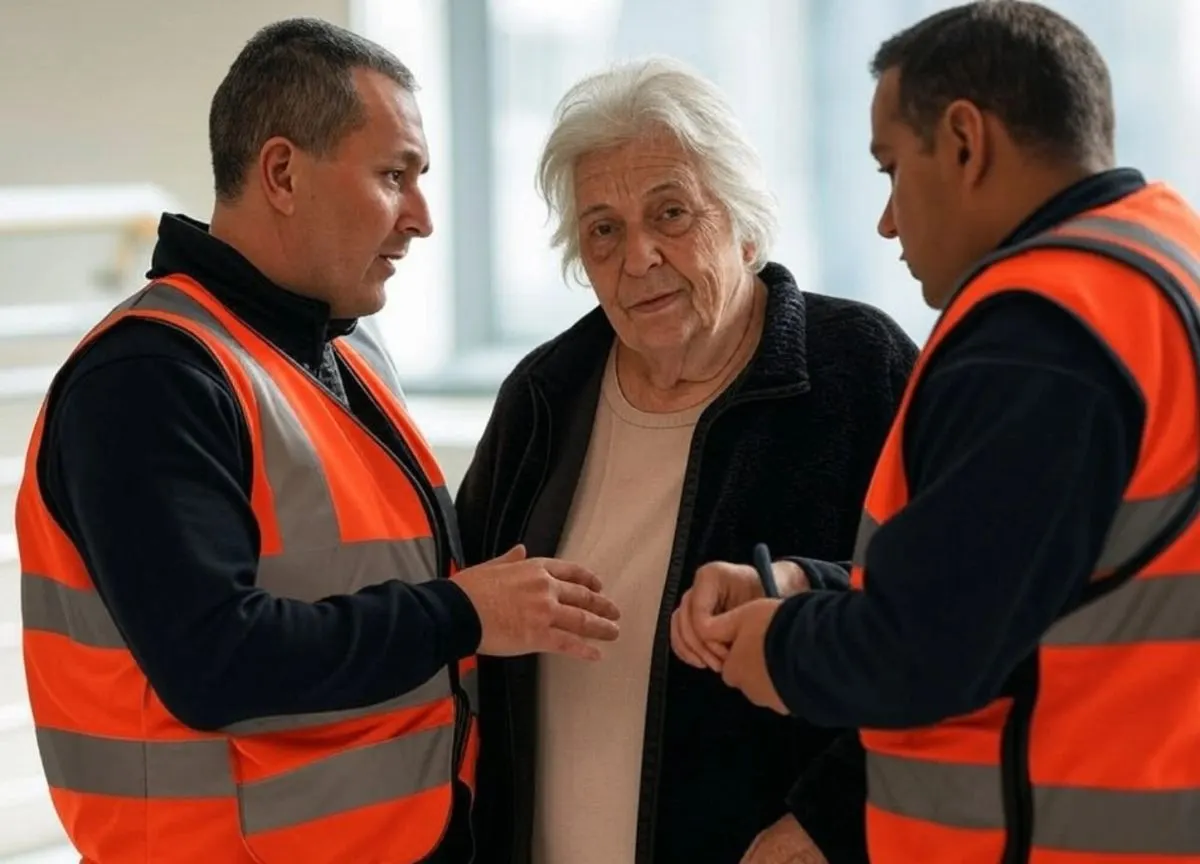
The NFCC Simultaneous Evacuation Guidance is a set of safety recommendations created by the National Fire Chiefs Council (NFCC) to help manage fire risks in buildings, especially high-rise residential buildings, understanding nfcc guidance is crucial for developing a working strategy against the fire risks.
🔥 Why Was This Guidance Created?
Originally, many tall buildings followed a "Stay Put" policy, meaning that if a fire started, only the residents in the affected apartment would evacuate while others would remain inside, trusting the building’s fire-resistant structure to contain the fire.
However, after incidents like the Grenfell Tower fire in 2017, it became clear that some buildings had serious fire safety issues (like flammable cladding) that made the "Stay Put" strategy unsafe. As a result, the Simultaneous Evacuation Strategy was introduced for at-risk buildings.
🚨 What is Simultaneous Evacuation?
Instead of staying put, everyone in the building evacuates at the same time if a fire starts. This is usually recommended when the building’s fire protection features are not reliable (for example, if cladding or fire doors are unsafe).
📋 Key Features of the Guidance
When is Simultaneous Evacuation Needed?
- If a building’s fire safety measures (like walls, doors, or cladding) are inadequate.
- If there's a risk that fire could spread quickly, putting residents in danger.
How is Evacuation Managed?
- Fire Alarms 🔔: Temporary alarm systems might be installed to alert all residents in case of fire.
- Waking Watch 👀: Fire marshals may patrol the building 24/7 to spot fires early and alert residents.
- Evacuation Plans 🏃: Clear escape routes and evacuation procedures must be established.
Who Decides if a Building Needs Simultaneous Evacuation?
- A fire risk assessment is done by professionals to determine if the current fire safety setup is enough or if changes (like simultaneous evacuation) are needed.
What Happens Next?
- Buildings should fix fire safety issues as soon as possible.
- Once repairs are made (like removing unsafe cladding), the building can return to a "Stay Put" policy, if safe.
🏢 Who Does This Apply To?
- Residents living in high-rise buildings.
- Building owners, managers, and landlords responsible for fire safety.
- Fire and rescue services managing evacuation strategies.
❗ Key Takeaway
If a building cannot contain a fire properly, everyone must evacuate at the same time instead of staying put. This strategy reduces the risk of large-scale fire tragedies while permanent safety fixes are put in place.
Let us know if you’d like any part explained further! 😊