Industry insights — 10 March 2025 — 2 min read
Importance of Securing Construction Sites in the Summer Season
Construction sites are inherently hazardous, but the summer season introduces unique risks that necessitate enhanced security and safety measures. High temperatures, inc…
By Smart Watch Security
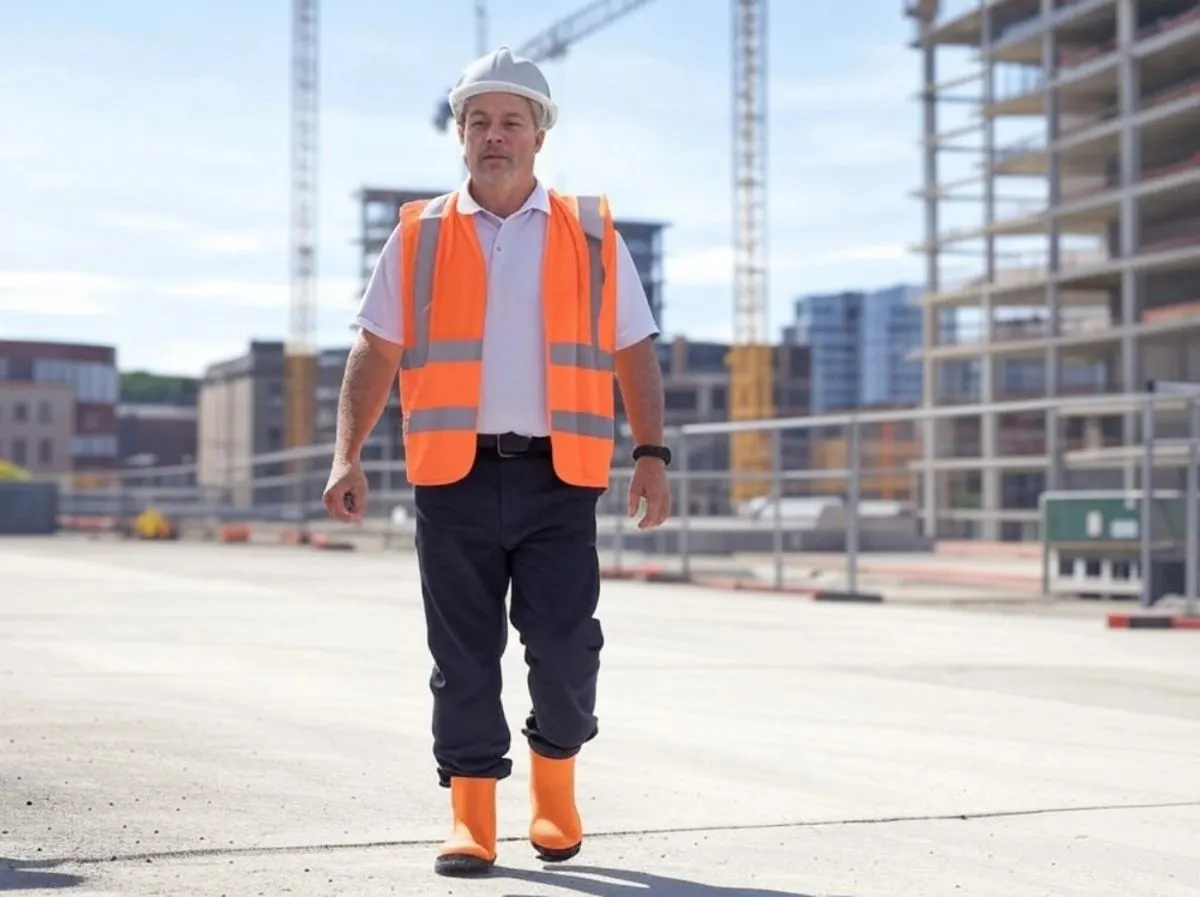
Construction sites are inherently hazardous, but the summer season introduces unique risks that necessitate enhanced security and safety measures. High temperatures, increased foot traffic, and extreme weather events can all contribute to accidents, theft, and vandalism. Ensuring the security of construction sites in the summer is crucial for the safety of workers, the protection of materials and equipment, and the overall efficiency of the project. Following key areas to consider for building site security.
1. Preventing Heat-Related Illnesses and Accidents
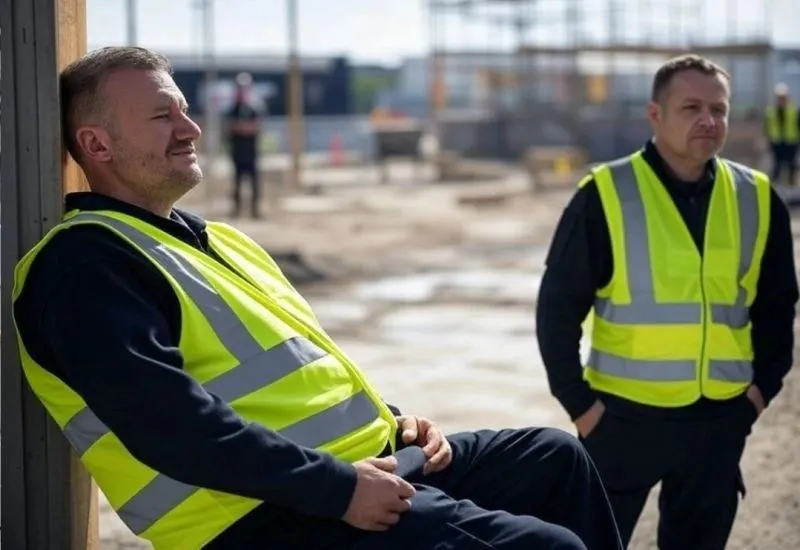
Summer’s high temperatures pose significant health risks to construction workers, including heat exhaustion, heatstroke, and dehydration. Ensuring that workers have access to shaded areas, hydration stations, and proper scheduling of work during cooler hours can mitigate these risks. Employers should also provide personal protective equipment (PPE) designed for hot weather and educate workers on recognizing symptoms of heat-related illnesses.
2. Enhancing Security Against Theft and Vandalism
The summer months often see an increase in theft and vandalism at construction sites. Longer daylight hours can lead to more unauthorized access, especially in urban areas with higher pedestrian traffic. Investing in security measures such as surveillance cameras, motion sensor lighting, fencing, and on-site security personnel can deter criminal activities. Additionally, securing valuable materials and equipment in locked storage areas can help prevent financial losses.
3. Managing Extreme Weather Conditions
Summer can bring extreme weather events such as heatwaves, thunderstorms, and even hurricanes in some regions. These conditions can damage structures, displace materials, and create hazardous working conditions. Implementing weather monitoring systems, securing loose materials, and having emergency response plans in place can minimize disruptions and ensure worker safety during adverse weather.
4. Controlling Dust and Air Quality Issues
Dry and windy summer conditions often lead to increased dust levels, which can pose health risks to workers and nearby communities. Implementing dust control measures such as water spraying, dust suppressants, and proper ventilation can improve air quality. Personal protective masks should be provided to workers in high-exposure areas to prevent respiratory issues.
5. Ensuring Fire Safety Measures
The combination of high temperatures, electrical equipment, and flammable materials increases the risk of fires on construction sites. Implementing fire safety protocols, such as fire extinguishers at strategic locations, proper storage of combustible materials, and routine fire safety drills, is essential to prevent fire hazards.
6. Securing Public Safety and Compliance
With increased outdoor activities during summer, there is a higher likelihood of unauthorized individuals, including children, wandering into construction sites. Proper fencing, warning signs, and restricted access areas can prevent accidents and legal liabilities. Ensuring compliance with local safety regulations and industry standards is essential for protecting both workers and the public.
Conclusion
Securing construction sites during the summer season is vital for protecting workers, materials, and the surrounding environment. By addressing heat-related risks, enhancing security, preparing for extreme weather, controlling dust, ensuring fire safety, and securing public access, construction companies can maintain productivity while prioritizing safety. Proactive measures not only safeguard assets but also contribute to the successful and timely completion of construction projects.