Careers & workforce — 13 April 2025 — 4 min read
Understanding & Mitigating the Impact of Continuous Night Shifts
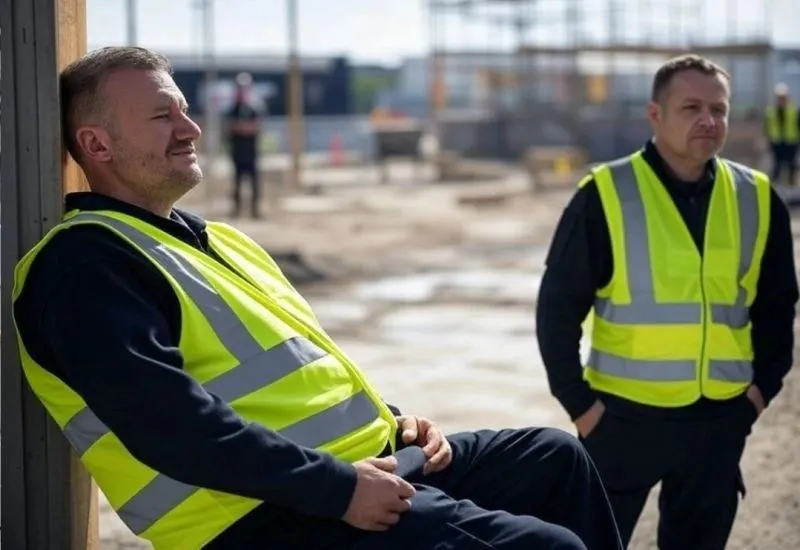
Continuous night shifts are common in the security industry. While necessary for 24/7 protection, these schedules can lead to mental health challenges. This article expl…
By Smart Watch Security
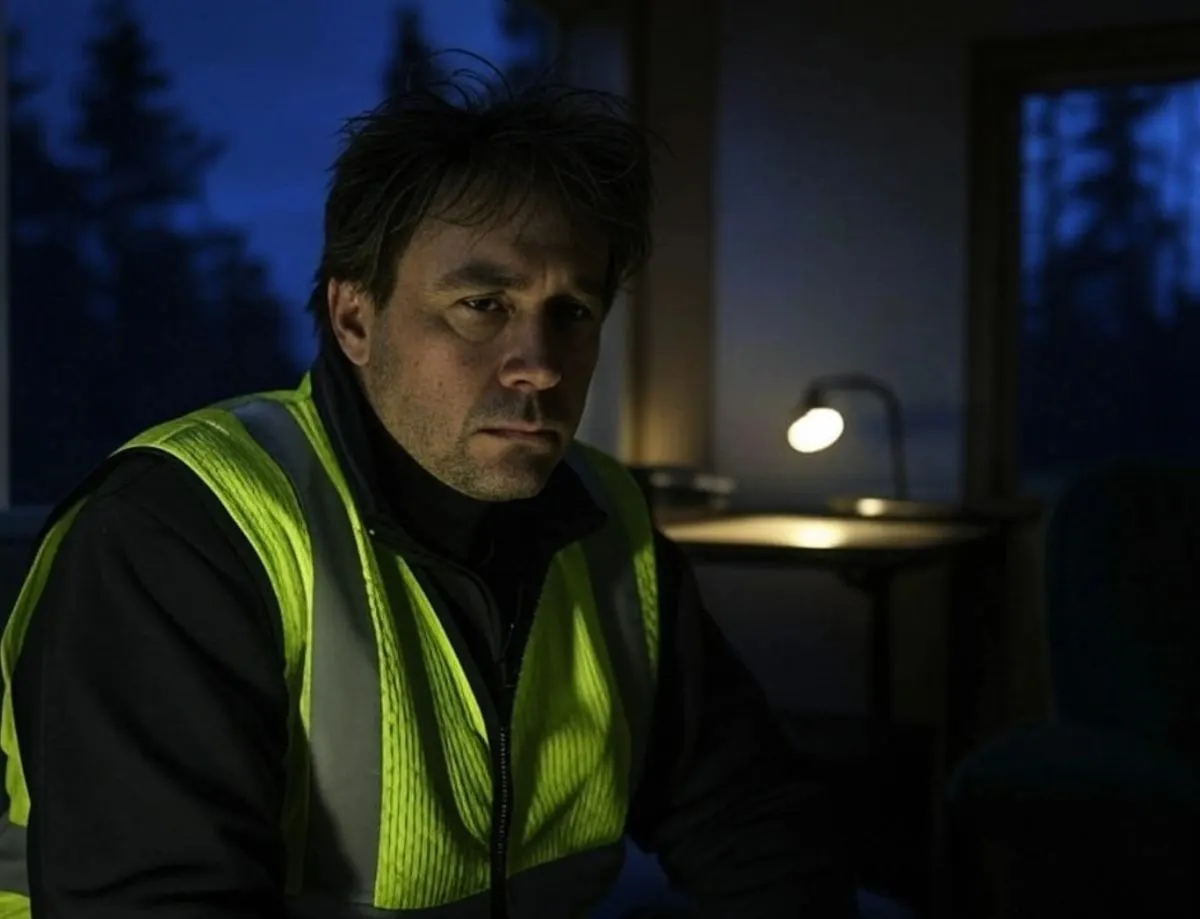
Continuous night shifts are common in the security industry. While necessary for 24/7 protection, these schedules can lead to mental health challenges. This article explores how persistent night shifts affect security guards’ well-being and outlines ways to minimize or avoid the risks.
1. The Nature of Night Shifts in Security Work
1.1 The Role of Security Guards
Security guards monitor premises and protect people and property around the clock. Their job demands alertness and the ability to respond promptly to unusual activities—during the day or night.
1.2 Why Continuous Night Shifts Occur
Several security contracts demand night monitoring, either to discourage theft, vandalism, or illegal entry. As there can be more than one site that needs protection, some guards have night shifts as a fixed or quasi-fixed schedule.
1.3 Special Challenges
Night shifts automatically disturb the human biological clock (circadian rhythm). The bodies of most people are accustomed to daytime wakefulness and nighttime sleep. When that is reversed, physical and mental health may be compromised.
2. Negative Effect on Mental Health
2.1 Disruptions of Circadian Rhythms
Working late at night can lead to "shift work disorder," a circadian rhythm disturbance with symptoms of insomnia and daytime hyper-somnolence. These disturbances over time may render an individual more vulnerable to stress, mood swings, and mental fatigue.
2.2 Amplified Stress and Anxiety
A. Isolation and loneliness: Due to their night work schedule, security guards lose ordinary day-time social interactions with family and friends. Feeling out of place in the "normal world" makes them lonely, further aggravating anxiety.
B. Increased vigilance: Security guards usually need to stay hyper-alert for most quieter hours. Ongoing tension or being overly vigilant creates ongoing stress.
C. Disproportionate burdens: Balancing personal responsibilities (family, errands) during the day after a night shift can also maintain a stress cycle that is difficult to break.
2.3 Increased Risk of Depression
Chronic disruptions in sleep patterns, coupled with social isolation, can lead to depressive symptoms. Shift work has been linked to an elevated incidence of depressive episodes due to the fact that disrupted sleep affects mood-regulating neurotransmitters and hormones.
2.4 Cognitive and Emotional Exhaustion
Having to stay on the lookout every night and not being able to obtain quality sleep may result in cognitive exhaustion. Brain fog, attention deficits, and irritability are not rare occurrences. These side effects may be chronic, with further impacts on one's everyday emotional well-being.
3. Avoiding or Reducing Mental Health Risks
3.1 Prioritizing Quality Sleep
Consistent Sleep Routine: Whenever possible, stick to a routine sleep schedule—even on weekends. The body can become accustomed to it.
Optimize Sleep Environment: Make use of blackout shades, earplugs, and a room that is not too hot in order to optimize daytime sleeping. Eliminating light and noise helps to replicate night conditions for better sleep.
Take a Nap: Short naps before or during a shift (if permitted) can help manage fatigue and reduce stress.
3.2 Light Exposure Management
Bright Light Therapy: Bright artificial light exposure during wake hours can help to reset your internal clock to some degree, making it simpler to make it through night shifts.
Avoid Blue Light in the Evening: Conversely, limit screen use and exposure to light in the evenings before daytime sleeping. Blue light could trick the brain into thinking that it is still daytime and, therefore, prolong sleep.
3.3 Healthy Lifestyle Habits
Nutritious Eating: Poor eating habits are rampant among night workers, and these may contribute to fatigue and irritability. One needs to have healthy meals and plenty of water.
Regular Exercise: Regular physical exercise can significantly improve mood, improve sleep, and counteract stress. Exercising at times when you have sufficient energy (e.g., when you wake up) can be helpful.
Limit Stimulants: Drinking excessive amounts of caffeine to stay awake can lead to a cycle of insomnia and heightened stress. Use coffee or tea strategically instead of relying on them all night.
3.4 Employer and Organizational Support
Reasonable Scheduling: Rotating shifts forward (days to evenings to nights) can reduce long-term exposure to continuous night work.
Adequate Staffing: Additional guards to divide the work can reduce the amount of stress per person. Break and rest periods (where organizational policy allows) can also help.
Mental Well-being Resources: Making mental health workshops or stress management classes available can be beneficial. Open discussion regarding well-being is necessary.
3.5 Social and Emotional Support
Stay Connected: Begin regular phone calls, online chats, or social media as means to ensure social networks are maintained while in-person meets are not possible.
Obtain Professional Assistance: If constant feelings of stress, anxiety, or depression surface, the intervention of a mental health practitioner may be life-changing. Early intervention usually prevents more serious problems down the line.
Mindfulness and Relaxation Techniques: Meditation, slow breathing exercises, or yoga can reduce mental fatigue and increase emotional resilience.
4. Conclusion
Night shifts on a regular basis can take quite a toll on the mental health of security guards. Sleep disruption, increased stress, social isolation, and possible depression are all significant issues that are caused by night work in the long term. However, through the implementation of practical measures like regular sleep patterns, bright light therapy, healthy nutrition, and regular exercise, guards and their employers can minimize these risks. In addition, positive workplace policies and motivating guards to utilize social and professional support further strengthens mental stability. Night shift work, by its very nature, interferes with the internal body clock. An anticipatory, integrated approach that takes into account sleep management, lifestyle, and mental health support can go a long way in protecting the well-being of security officers who work at night.