Industry insights — 20 March 2025 — 3 min read
Why the Human Touch Still Matters in a Tech-Driven Security World
Tech driven security world In an age where artificial intelligence, facial recognition, and automation dominate conversations around modern security, it’s tempting to th…
By Smart Watch Security
Tech-driven security world
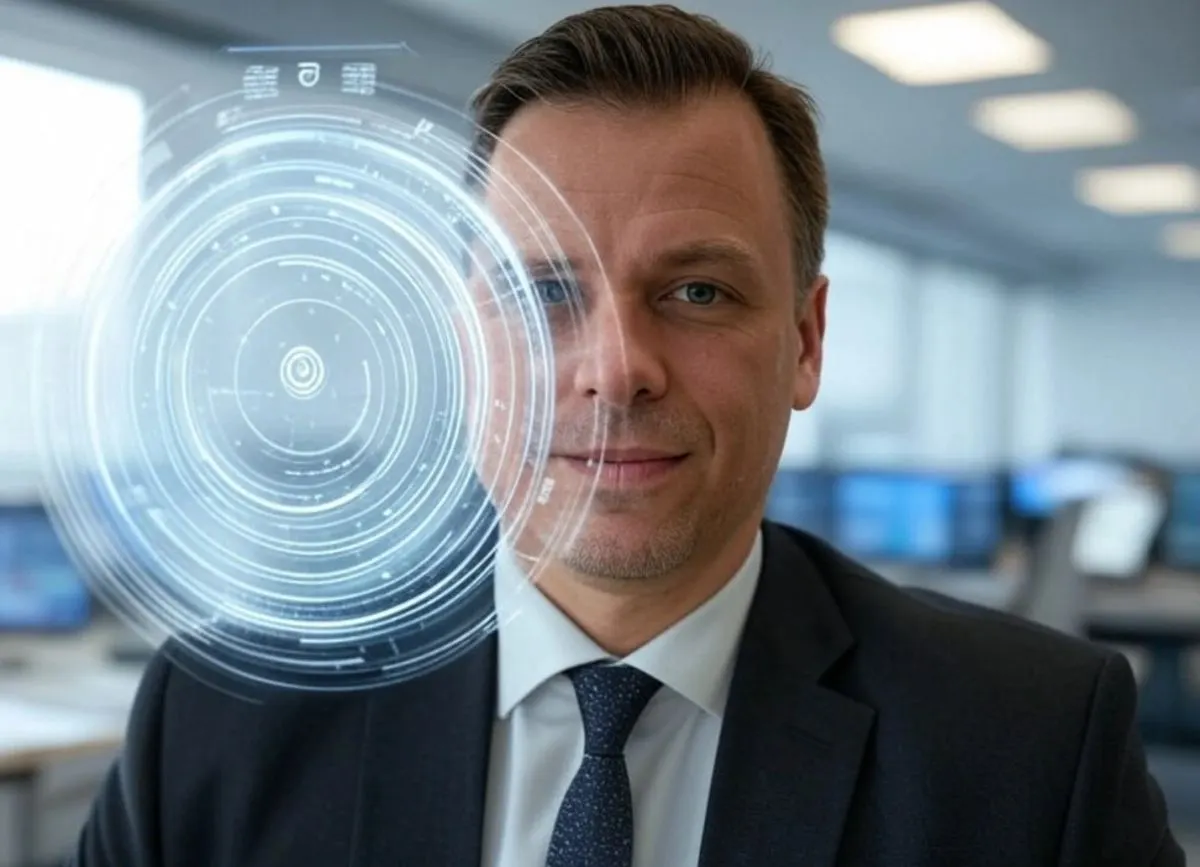
In an age where artificial intelligence, facial recognition, and automation dominate conversations around modern security, it’s tempting to think that the human element is becoming obsolete. Yet, as cutting-edge as these tools may be, the importance of skilled security professionals remains undeniable. No algorithm can replace empathy, contextual awareness, and the nuanced decision-making that comes from human intuition.
1. Technology as an Enabler, Not a Replacement
There’s no question that advanced tools enhance the reach, efficiency, and accuracy of security operations. Cameras can capture every angle; AI can sift through thousands of data points in seconds; and automated systems can lock doors or trigger alerts before a threat escalates. But while technology is brilliant at pattern recognition and repetitive tasks, it lacks the human capacity for adaptive reasoning—the kind that’s required in unpredictable, real-world scenarios.
Example
A facial-recognition camera might detect suspicious behavior in a crowded space, but discerning whether someone is genuinely a threat or merely acting out of anxiety often requires human judgment. Machines can flag anomalies; people can interpret and respond appropriately to them.
2. Empathy as a Powerful Security Tool
Empathy is not often discussed in security contexts, but it plays a pivotal role. A guard who can calmly de-escalate a situation by understanding someone’s fear or frustration will likely resolve the issue faster and more peacefully than any automated alert. The ability to read body language, assess emotional states, and communicate effectively can be the difference between a minor incident and a public relations nightmare.
Moreover, security guards frequently serve as a frontline representative for a company or organization. Their demeanor and approachability not only influence safety outcomes but also shape public perception. A reassuring presence can ease tensions, offer help, and foster a positive environment where people feel genuinely protected.
3. Real-Time Problem Solving Under Pressure
While technology excels at tasks it has been programmed to do, unforeseen events and crises demand critical thinking that can’t always be anticipated by an algorithm. Security professionals regularly adapt to real-time developments, whether it’s rerouting pedestrians during an evacuation or deciding how to intervene in a rapidly changing scenario.
Critical thinking and decision-making under pressure are human strengths. By blending these qualities with data-driven insights from AI systems, security teams can strike the perfect balance between efficiency and adaptability.
4. Building Community Trust
Security is not just about safeguarding assets; it’s about creating an atmosphere of confidence and reliability. People often feel more comfortable discussing concerns or reporting suspicious activity to a trained professional who is physically present. A human face can build rapport, trust, and a sense of communal resilience—factors that purely technological solutions struggle to replicate.
This communal aspect extends to how security interacts with broader organizational roles. From providing directions to first-time visitors to assisting employees in distress, a personable guard can enhance the overall user experience, reinforcing the notion that security is not merely about preventing risk, but also about caring for people.
5. The Future Is Human+Machine Synergy
The debate shouldn’t pit humans against technology. Instead, it’s about synergy: combining the best of both worlds to maximize security and efficiency.
- Data-Driven Insights: AI tools can rapidly process large volumes of data, helping to identify patterns and anomalies that might escape the naked eye.
- Human Judgment: Security professionals add context, empathy, and intuitive decision-making—qualities that technology can’t replicate.
By employing a “human+machine” approach, organizations gain a layered security strategy. Modern solutions like predictive analytics or autonomous monitoring systems are invaluable, but they reach their true potential when underpinned by vigilant, well-trained professionals.
Conclusion
As technology continues to advance, it’s easy to forget the inherent value of human insight and empathy in the realm of security. Yes, AI can recognize faces and detect unusual patterns. Yes, automated systems can streamline responses. But it’s still the human touch—the capacity to navigate ethical gray areas, to empathize, and to make split-second decisions under uncertainty—that anchors security operations in a rapidly changing world.
In short, the next era of security lies in a harmonious blend of tech-driven innovation and human-centered expertise. It’s not a question of one or the other; it’s about harnessing both to create safer, smarter environments for everyone.